Thank‑you events are the perfect opportunity to show appreciation, but they can turn into a culinary minefield when dietary restrictions come into play. The challenge? Delivering a thoughtful, indulgent hamper that feels personal while respecting every guest’s eating habits. This guide will walk you through the essentials of selecting a gift hamper for a client thank‑you event with dietary restrictions, ensuring you hit the sweet spot without tripping over allergens or dietary preferences.
Understanding Your Client’s Dietary Landscape
Before you even think about a hamper, you need a clear picture of who you’re gifting to. A one‑size‑fits‑all approach is a recipe for disappointment—unless, of course, you’re in the business of giving generic coffee beans. Ask the right questions, and you’ll avoid the awkward “I can’t eat nuts” moment.
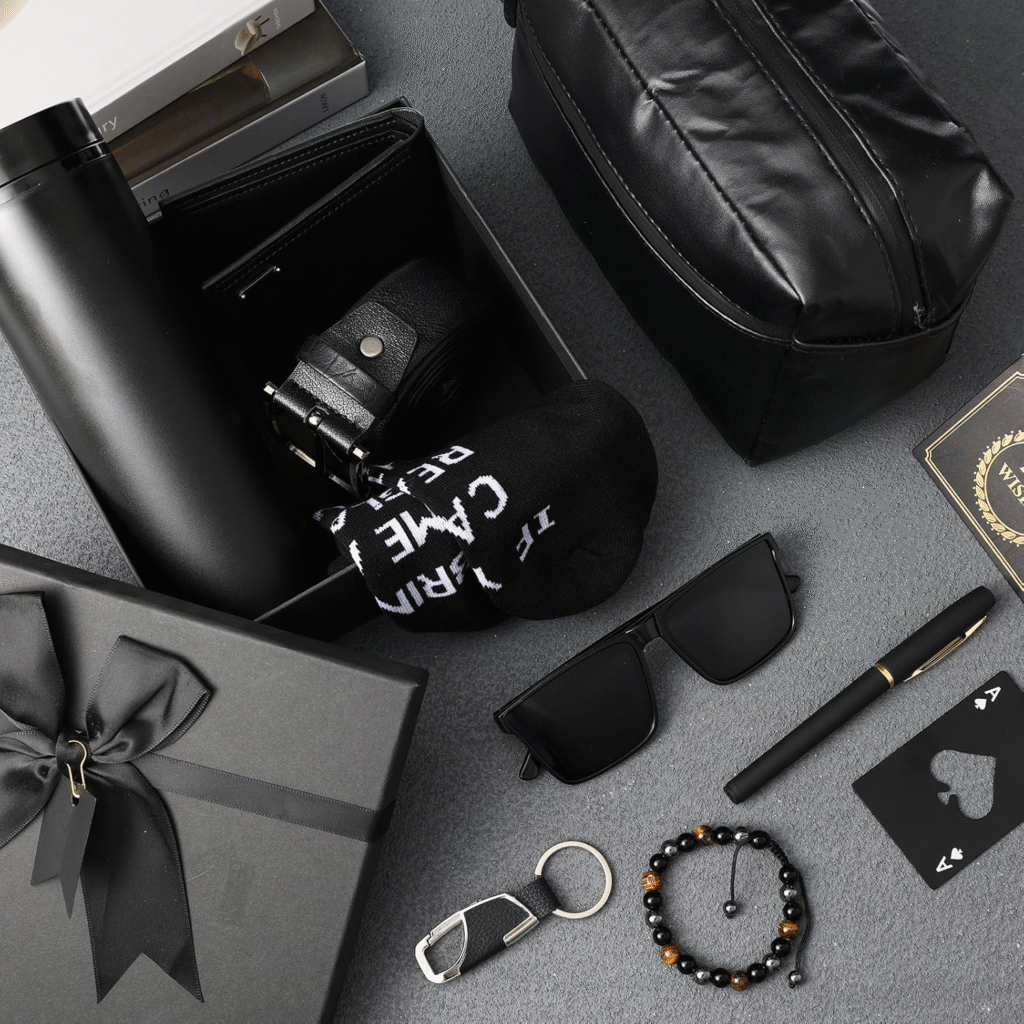
Common Dietary Restrictions to Watch For
The most frequent restrictions in a professional setting include:
- Nut allergies – the most common food allergy in the U.S. Gluten intolerance – including celiac disease and non‑celiac gluten sensitivity Lactose intolerance – especially relevant for dairy‑based treats Vegetarian/Vegan – preferences or ethical choices Halal or Kosher – religious dietary laws Low‑sugar or diabetic – for health‑conscious clients
If you’re unsure, a simple pre‑event survey can save you from a post‑event “oops” moment.
The Importance of Personalization
Personalization isn’t just about adding a name to a box. It’s about tailoring the experience to the recipient’s lifestyle. Think of a hamper as a “bouquet of gratitude” where each flower represents a choice that matters to the client. When you respect dietary needs, you demonstrate genuine care—something that no fancy chocolate bar can replace.
> “The best gifts are those that show you care.” – Anonymous

Crafting the Ideal Gift Hamper
With restrictions mapped out, it’s time to build the hamper. The goal is to create a balanced, appealing collection that feels luxurious yet safe.
Selecting the Right Base
Choose a sturdy, aesthetically pleasing container. Options include:
- Reusable wicker baskets Eco‑friendly cardboard boxes with a custom logo Luxury wooden crates for a high‑end feel
The base sets the tone. A simple, clean design signals sophistication; a whimsical one shows personality.
Curating a Variety of Options
Offer a mix of items that cater to different dietary needs. Here’s a sample layout:
- Gluten‑free: artisanal crackers, dark chocolate squares Nut‑free: seed‑based snacks, dried fruit Vegan: coconut‑milk ice cream, plant‑based protein bars Low‑sugar: sugar‑free biscuits, stevia‑sweetened candies Dairy‑free: oat milk latte pods, dairy‑free cheese spreads
Use bullet points for clarity:
- Gluten‑free: rice cakes, quinoa crisps Nut‑free: pumpkin seeds, sunflower seed butter Vegan: hummus packs, vegan chocolate
Presentation Matters
The way you arrange items can turn a simple hamper into a memorable experience. Layer items by theme or local hampers color, and consider adding a handwritten note that thanks the client for their partnership. A small, decorative ribbon can tie everything together—literally and figuratively.
Practical Tips for Seamless Delivery
Even the best hamper can fall flat if delivery is mishandled. Think of logistics as the final brushstroke on a masterpiece.
Labeling and Information
Clear labeling prevents accidental consumption. Include:
- A small card next to each item stating its dietary status A brief description of allergens (e.g., “contains dairy”) Contact details for the supplier, in case the client has further questions
Transparency builds trust—a valuable currency in business relationships.
Timing and Logistics
Deliver the hamper at a time that aligns with the event schedule. If you’re sending it ahead, ensure it arrives fresh and in good condition. Use insulated packaging if necessary, especially for perishable items like dairy‑free ice cream.
Avoiding Common Pitfalls
Even seasoned gift‑givers can stumble. Avoid these mistakes to keep your hamper on point.
Overlooking Allergies
The most common error is assuming “nut‑free” means “no allergens.” Double‑check ingredient lists, and when in doubt, ask the client directly. A quick phone call can prevent a costly mix‑up.
Overcomplicating the Hamper
Too many options can overwhelm. Stick to a curated selection that showcases quality over quantity. Remember, a well‑chosen single item can speak louder than a dozen mediocre ones.
The Perfect Gift Awaits
By now, you’ve mapped restrictions, curated a thoughtful collection, and planned delivery with care. The final step? Present the hamper with confidence, knowing it reflects your appreciation and respect for your client’s needs.
- Check the final layout: does it look balanced and inviting? Verify labels: are they clear and accurate? Confirm delivery details: is the timing optimal?
When you hand over the hamper, you’re not just giving a gift—you’re offering a gesture that says, “I value our partnership and your well‑being.” This is the kind of impression that turns a single event into a lasting relationship.
---
If you’re ready to elevate your next client thank‑you event, start by gathering dietary information today. A small effort now can save you from a costly mistake later and ensure your hamper becomes a highlight of the occasion. Happy gifting!