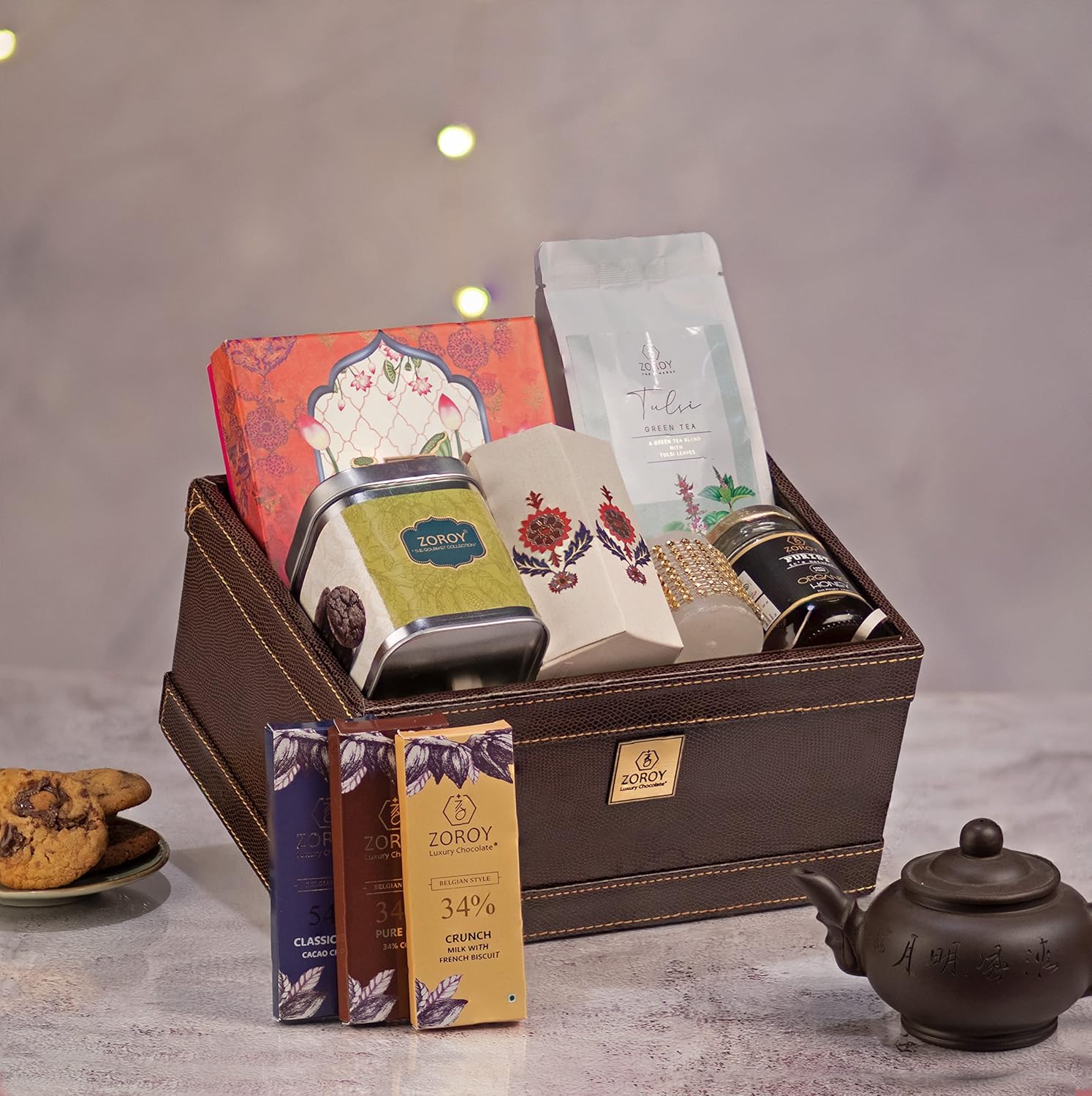
Chocolate hampers are the edible equivalent of a warm hug—sweet, comforting, and always welcome. Yet, the true star of the show is often the packaging that cradles those indulgent treats. In this guide we’ll explore what are the most common chocolate hamper packaging styles, why they matter, and how to pick the perfect one for any occasion. Whether you’re a boutique chocolatier, a corporate gift planner, or simply a well‑meaning friend, you’ll discover the visual and practical cues that turn a simple box of cocoa into a memorable experience.
Traditional Box Designs
For decades, the classic cardboard box has reigned supreme in the world of chocolate hampers. Its popularity stems from a blend of practicality, recognizability, and the ability to showcase the product like a stage set for a star performer.
The Classic Gift Box
A hinged lid with a magnetic snap offers a sleek, polished look while keeping the chocolates snug inside. The interior often features a thin tissue paper layer that adds a whisper of elegance without adding bulk. This style is the go‑to for many luxury brands because it balances brand identity with a familiar, comforting feel—much like a favorite sweater on a chilly day.
The Sliding Drawer Box
Imagine opening a drawer to reveal a treasure trove of truffles. Sliding drawer boxes provide that cinematic “reveal” moment, making the unboxing experience feel like a mini adventure. The smooth glide can be enhanced with a satin ribbon or a subtle embossing of the brand logo, turning the packaging into a conversation starter at any gathering.
Eco‑Friendly Alternatives
Sustainability isn’t just a buzzword; it’s a demand that’s reshaping how we think about packaging. Eco‑friendly options have surged in popularity, proving that you can be both green and gorgeous.
Kraft Paper Wraps
Kraft paper, with its natural brown hue, evokes rustic charm and environmental responsibility. It can be printed with soy‑based inks, stamped with a custom seal, or tied with twine for a farmhouse feel. The tactile texture of kraft adds a sensory dimension that complements the smooth melt of chocolate on the tongue.
Reusable Fabric Totes
For those who want the hamper to keep on giving, reusable fabric totes are a winning choice. Made from cotton or linen, these bags can be printed with whimsical illustrations or a simple monogram. After the chocolates are devoured, the tote transforms into a handy grocery bag—a clever way to extend the brand’s reach beyond the initial gift.
Luxury and Premium Presentations
When the goal is to impress, designers reach for materials that scream opulence. These premium styles often command a higher price point, but they also deliver a wow factor that can’t be ignored.
Wooden Crate Elegance
A sturdy wooden crate, often finished with a natural varnish or a sleek lacquer, adds Check over here a rustic‑yet‑refined vibe. Inside, a velvet‑lined compartment cradles the chocolates, protecting them from damage while adding a touch of decadence. The crate can be stacked, making it perfect for corporate gifting where multiple hampers need to be displayed together.
Metal Tin Sophistication
Metal tins, especially those with a brushed aluminum or matte black finish, offer durability and a timeless aesthetic. They’re ideal for travel‑ready hampers because they protect the chocolates from temperature fluctuations. Some brands even include a removable inner tray, allowing recipients to repurpose the tin as a keepsake box—talk about packaging that truly is the icing on the cake!
Creative and Customizable Options
Personalization turns a generic gift into a heartfelt statement. Modern consumers love to see their name, a special date, or a quirky illustration on the packaging.
Photo‑Printed Boxes
High‑resolution printing now makes it possible to wrap a chocolate hamper in a collage of personal photos. Whether it’s a wedding anniversary montage or a series of vacation snapshots, the box becomes a visual diary that complements the sweet memories inside.
Seasonal Themes
From pastel Easter eggs to deep‑red Christmas holly, seasonal motifs help the hamper blend seamlessly into holiday décor. Designers often incorporate scented ribbons, glitter accents, or even a small ornament that can be detached and used later—adding an extra layer of delight.
> “Packaging is the silent salesperson; it tells the story before the product even speaks.” – Jane Doe, Packaging Strategist
Choosing the Right Wrapper for Your Sweet Success
Now that you’ve toured the landscape of chocolate hamper packaging, how do you decide which style fits your needs? Start by asking yourself a few rhetorical questions:
- Do you want the packaging to be a lasting keepsake or a single‑use showcase? Is sustainability a core value for your brand, or are you aiming for pure luxury? Will the recipient appreciate a playful, personalized design, or do they prefer classic elegance?
Think of your choice as a matchmaking process. The right packaging aligns with the occasion, the brand’s story, and the recipient’s expectations—just as a perfect pair of shoes complements an outfit. For corporate clients, a sleek metal tin may convey professionalism, while a kraft‑wrapped tote can highlight a company’s commitment to sustainability. For a romantic gesture, a wooden crate with a velvet interior adds a tactile romance that words alone can’t capture.
A quick anecdote: last year, a boutique chocolatier sent a dozen hampers to a newlywed couple’s housewarming party. They chose reusable fabric totes printed with the couple’s initials. Not only did the chocolates disappear within hours, but the couple now uses the totes for grocery shopping, proudly telling friends, “We still French chocolate have the chocolate box!” It’s a small example of how thoughtful packaging can extend brand visibility long after the last truffle is eaten.
When you line up the options, consider these three guiding principles:
- Functionality: Does the packaging protect the chocolates during transit? Storytelling: Does it convey the brand’s message or the occasion’s mood? Longevity: Will the recipient keep or reuse the packaging, providing ongoing brand exposure?
By weighing these factors, you’ll turn the simple act of gifting chocolate into an experience that lingers—much like the after‑taste of a fine dark truffle.
Ready to elevate your next chocolate hamper? Explore the styles above, match them to your audience, and let the packaging do the talking. After all, a beautifully wrapped hamper is the silent ambassador that delivers joy, one cocoa‑filled bite at a time.